
Your laptop had a full charge at the start of the day, but by noon, you’re reaching for the outlet to refill the battery. The battery percentage kept dropping even though you didn’t stream anything or run a demanding task. That’s because Windows 11 isn’t sitting idle while you work. In the background, a quiet parade of apps, services, and sync routines run constantly in the background — none of which you ever asked for. The good news is that you can stop most of them.
Some of the tasks are necessary for Windows to run properly. But several features and apps don’t need to run constantly. Here are the main culprits to look for if your Windows 11 laptop isn’t lasting as long as you want.
Background apps
Check battery usage before touching anything else
Windows 11 allows apps to run in the background by default. Some have a legitimate reason and need to sync even when you’re not using them. However, the app you open once a week or a game launcher doesn’t deserve the same treatment.
Battery Usage is the best place to improve your laptop’s battery efficiency. Windows 11 tracks which apps consumed the most power over the last 24 hours and seven days. This is accessible under Settings -> System -> Power and battery -> Battery usage.
Instead of disabling background activity across the board, select the apps that consistently consume significant power and that you don’t need running constantly. To do this, you can go to Settings -> Apps -> Installed Apps, open each app’s settings, and set Background app permissions to Never.
Startup apps
Cut down what launches with Windows.
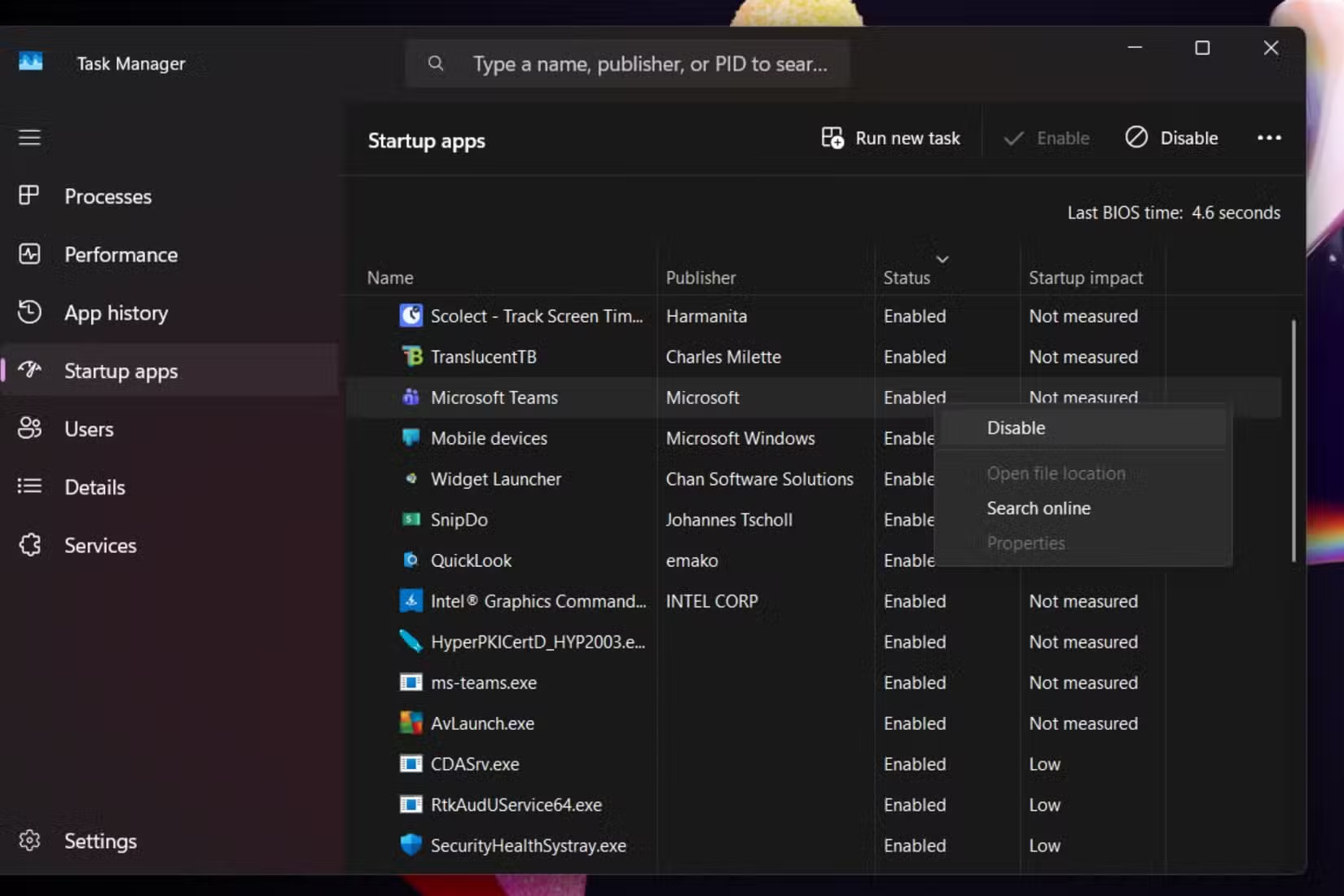
When you boot Windows and sign in, the operating system launches certain apps, and those silently continue running in the background throughout the session. Furthermore, apps often add themselves to startup after an update or installation.
Open Task Manager -> Startup apps tab, and you will see the programs that are configured to launch when Windows starts, along with information about their impact. You can right-click to disable anything you don’t need at boot. This action doesn’t uninstall the app or prevent you from opening it manually whenever you need it.
Windows Search
Your drive is crawled more than it needs to be
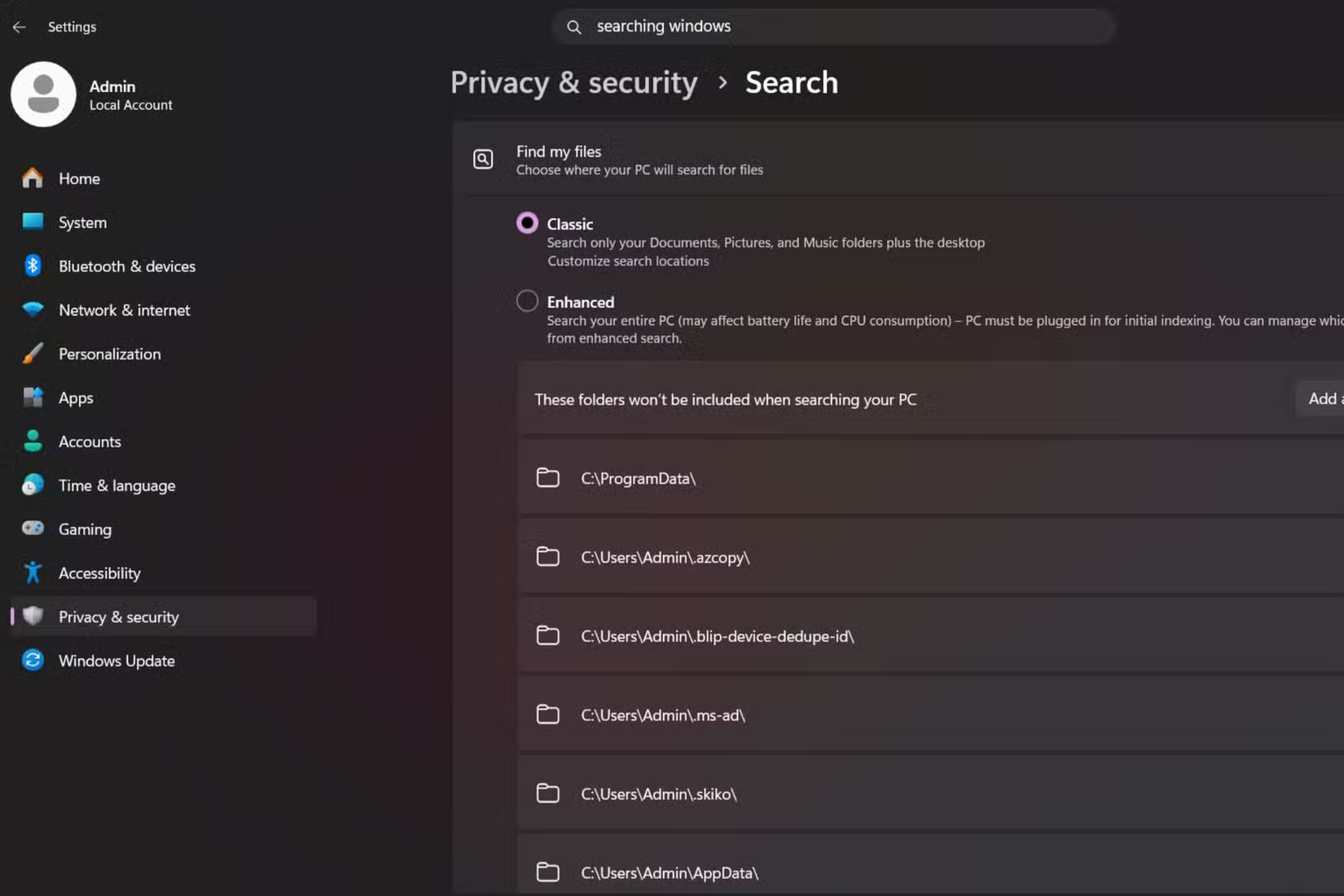
Windows Search constantly crawls your files so the results appear instantly, making it easier to find something. Indexing happens in the background, so Windows doesn’t have to scan your drive every time you search for something. There’s a fix for this — you can control which locations Windows indexes instead of turning it off entirely.
Head to Settings -> Privacy and security -> Searching Windows to review the indexing options available on your PC. Limiting unnecessary locations and items that don’t need to be searchable can reduce the work Windows Search does in the background.
Cloud sync
Not everything needs to be synced. All the time
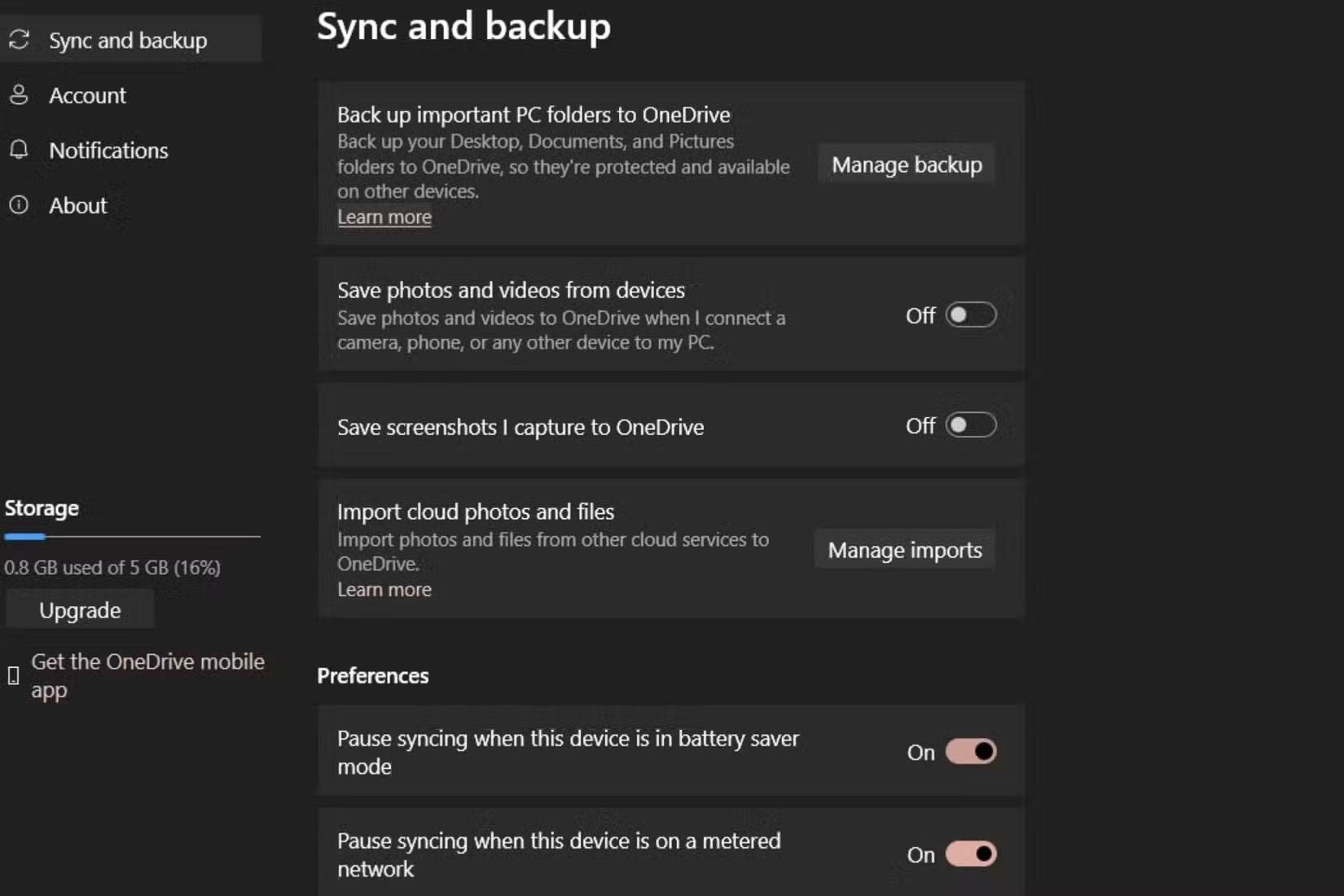
Cloud storage apps are useful, but they do plenty of work in the background. OneDrive is the most common example on Windows 11. Your laptop may be doing more than you realize if you’re syncing a large folder, uploading or downloading a file. It uses additional system resources and network activity.
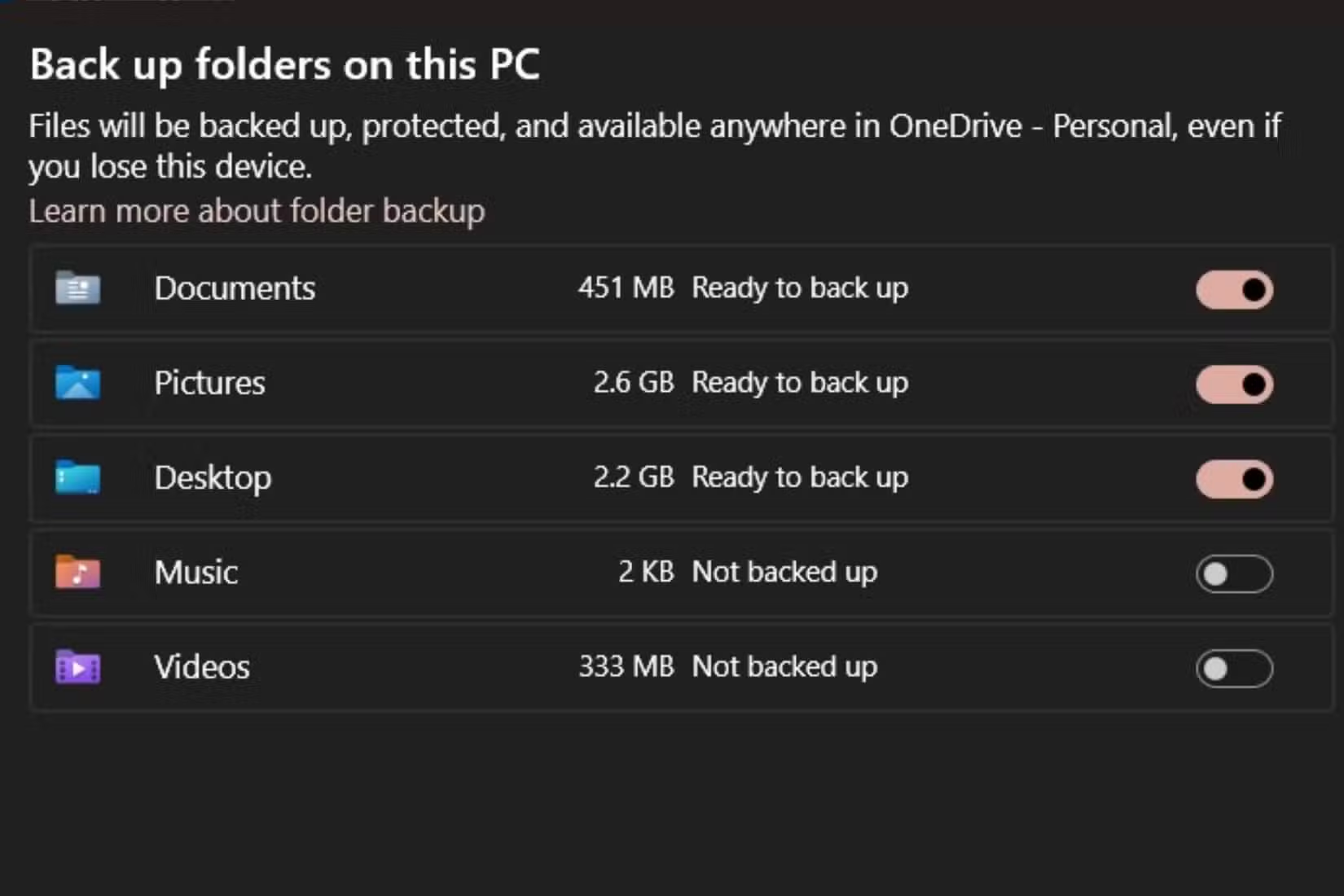
If you don’t require real-time sync, you can pause cloud syncing instead of disabling it when you’re trying to squeeze more battery life out of your laptop. Syncing can be paused for 2, 8, or 24 hours by right-clicking the OneDrive icon in the system tray. If you want a permanent fix, head to OneDrive Settings -> Sync and backup -> Manage backup and then select the specific folders to sync rather than everything.
Google and Dropbox also have similar sync options in their own settings menu.
These stay active even when you ignore them
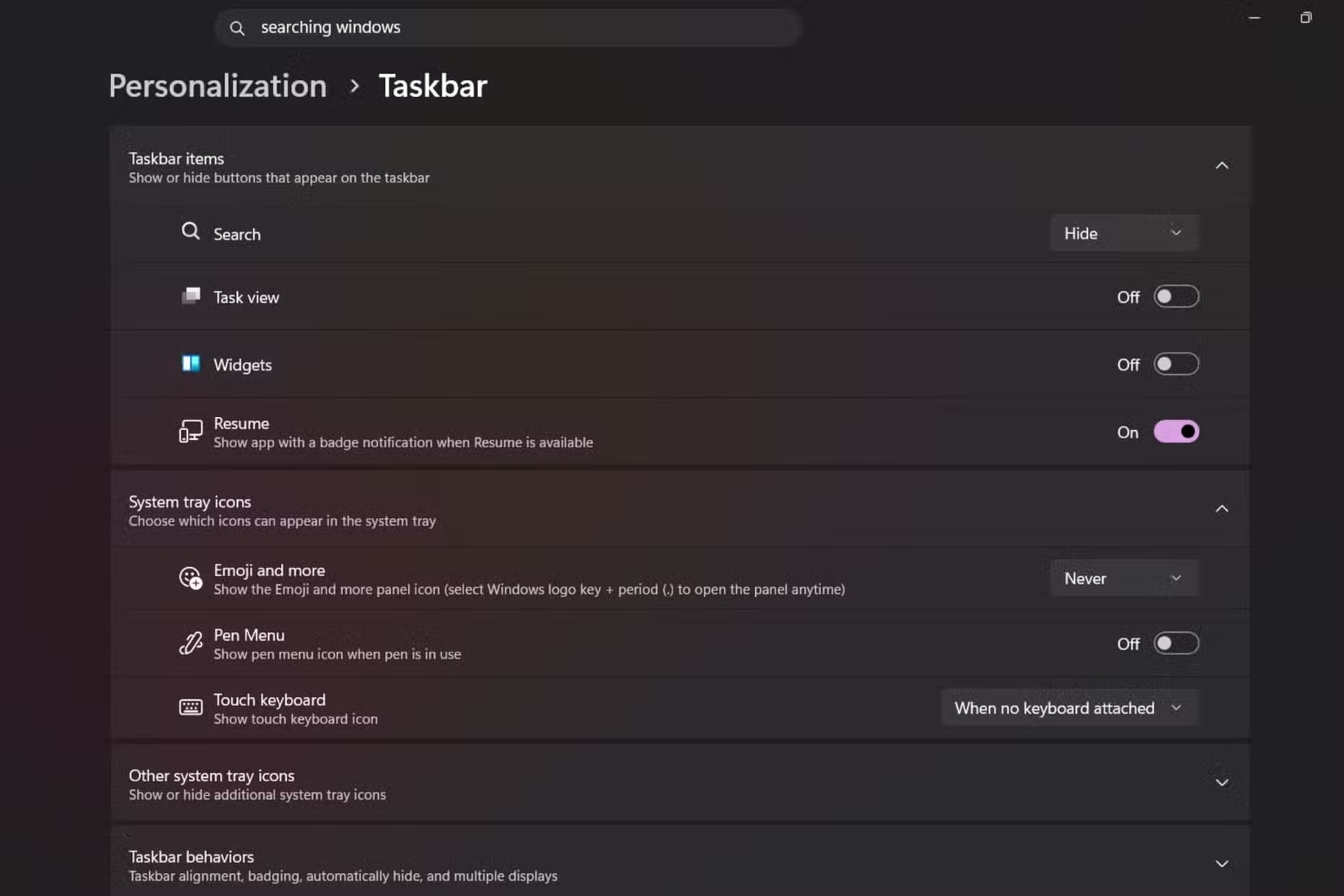
The Windows widgets panel fetches live news, weather, and stock data even when you never open it. There’s no reason to keep it running if it’s not a part of your daily workflow. You can disable widgets from Settings -> Personalization -> Taskbar. Meanwhile, apps keep checking for new messages, updates, and other activity to send notifications you may not need. Each unnecessary notification is a small wake cycle for your PC. You can turn them off under Settings -> System -> Notifications.
These are small changes, but they can eliminate another background activity you don’t need.
Get more battery life from your Windows 11 laptop
None of these changes are permanent. So, you can reverse them if something stops behaving the way you expect. You can also use Windows 11’s built-in energy recommendations under Settings -> System -> Power and battery -> Energy recommendations. Here, you can find screen and sleep settings that are worth checking before making any drastic changes. A few small adjustments won’t magically turn an aging laptop into an all-day machine, but together they can extend your laptop’s battery life.