
If you don’t have $100 (or more) for a standalone Windows license, then you can download any distro of Linux for free right now and have a working computer in just a few minutes. However, the cost of something can be measured in more than just dollar bills, and there are more than a few ways Linux ends up costing you more than a commercial operating system like Windows or macOS.
Linux will save you time, but only after you’ve spent time mastering it
The great learning curve
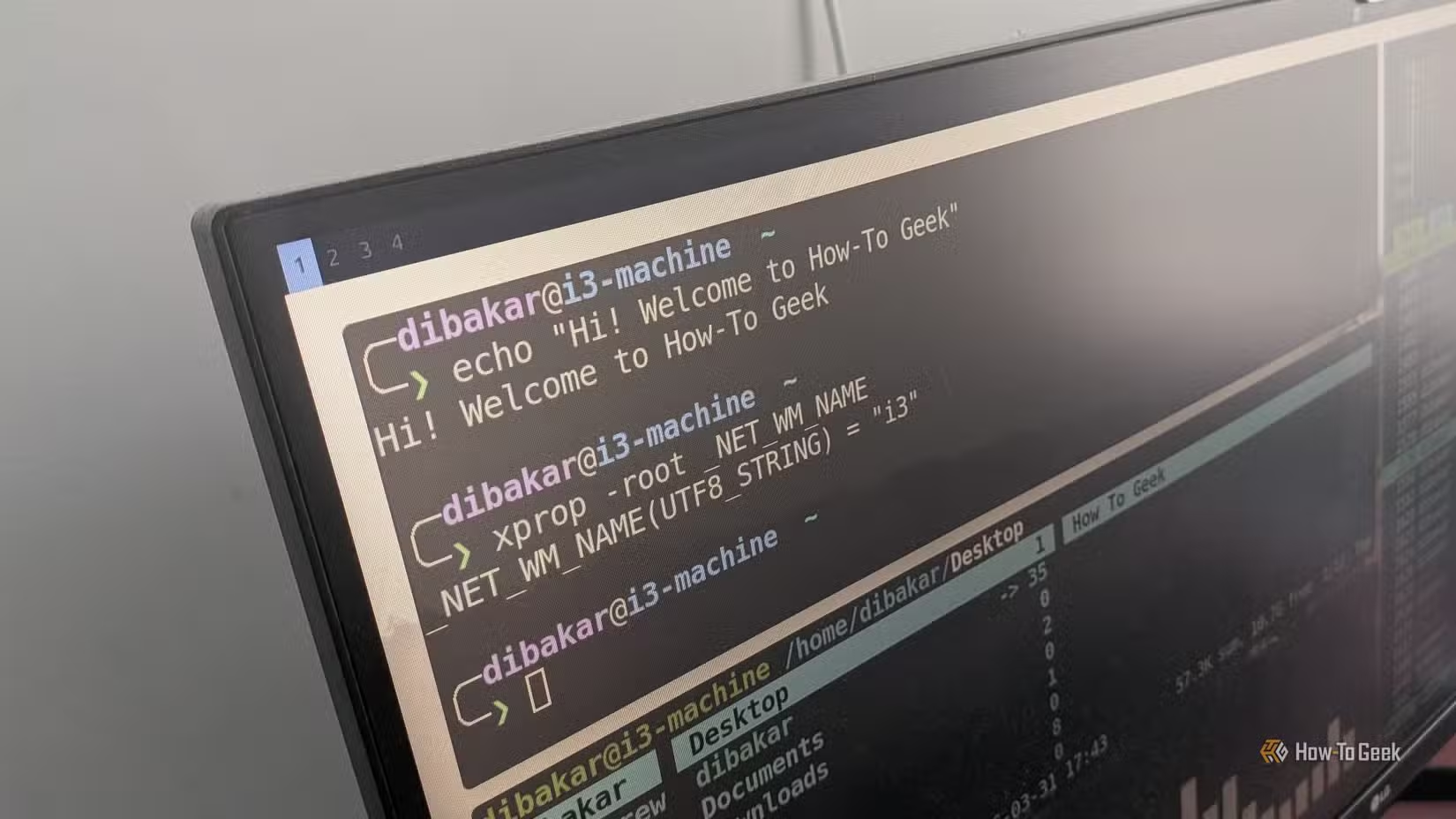
Back in 1998, programmer Jamie Zawinski famously said, “…Linux is only free if your time has no value…” and that’s about as perfectly as anyone could have put it. If course, in the late ’90s, installing and configuring Linux was a nightmare. Maintaining it as a desktop operating system is only marginally less so.
We’ve come a long way since those days, and installing, configuring, and maintaining Linux is generally no harder than Windows. However, unless Linux is your first operating system, there is absolutely still a time debt when switching over. You have to learn new things, unlearn some old things, and it’s going to take time to settle into a daily-driver routine that works for you.
In the rare situation where something goes wrong troubleshooting can be more time-consuming as well, even if you’re quite savvy at fixing Windows issues. Linux has so many fundamental differences under the hood that not much transfers over. Once you’ve gotten over the hump, then it all equalizes, but that hump will still cost you.
You absorb responsibility the OS won’t carry for you
Unsupervised software
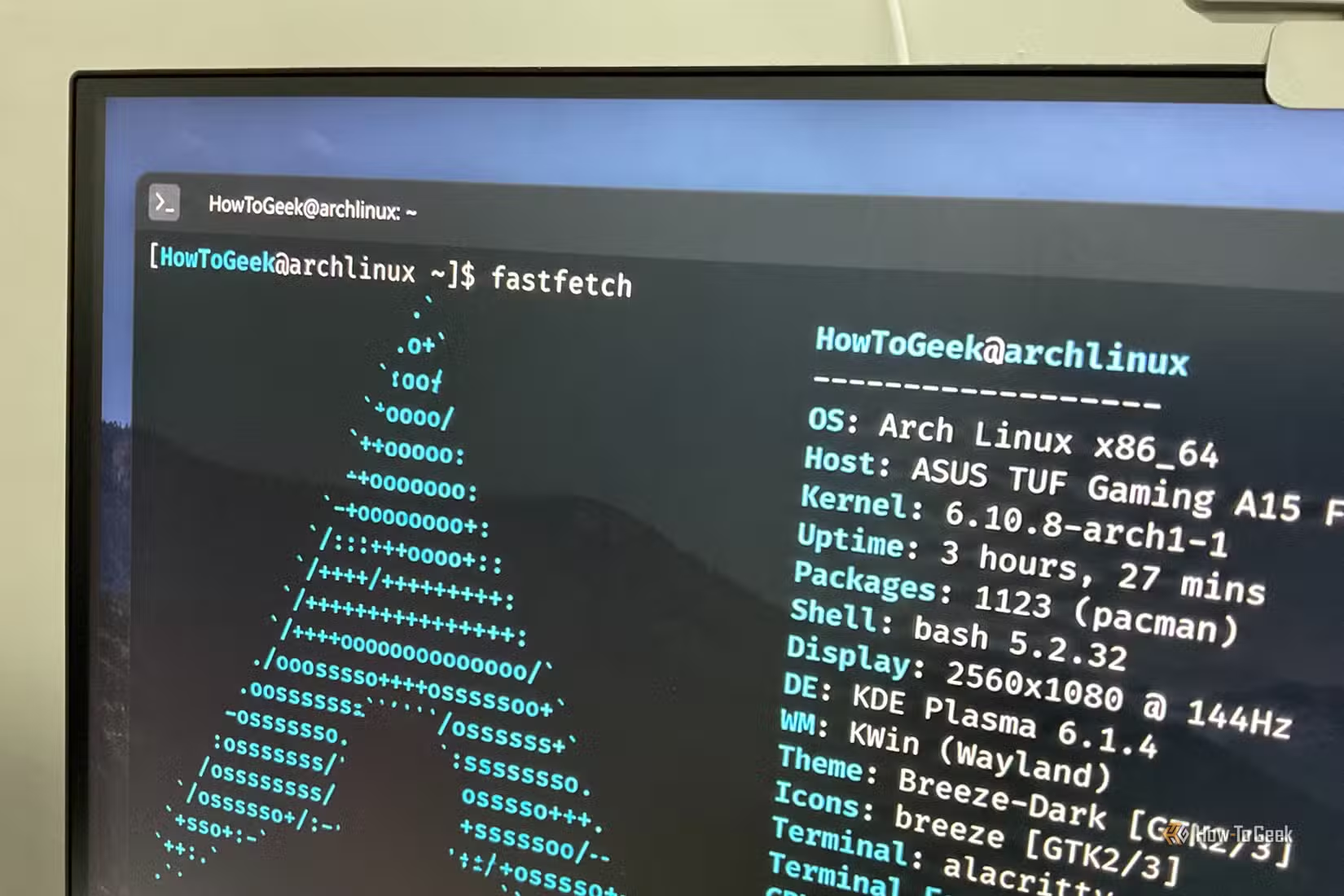
If you’re coming from Windows or macOS, then you might not be ready for how Linux assumes you’re a grownup who thinks before copying a command into the terminal, messing around with file permissions, or not double-checking that you aren’t recursively deleting things you didn’t mean to.
There’s an attitude shift you need as soon as you step out of the basic desktop use workflow where not taking things seriously enough can end up costing you data and yet more time restoring, reinstalling, or otherwise fixing a problem you cause, because Linux did exactly what you told it to do without second-guessing. With great power comes great responsibility. Uncle Ben’s advice even works for Linux, not just superheroes.
Compatibility becomes your ongoing tax
Especially if you’re a fan of cutting-edge hardware
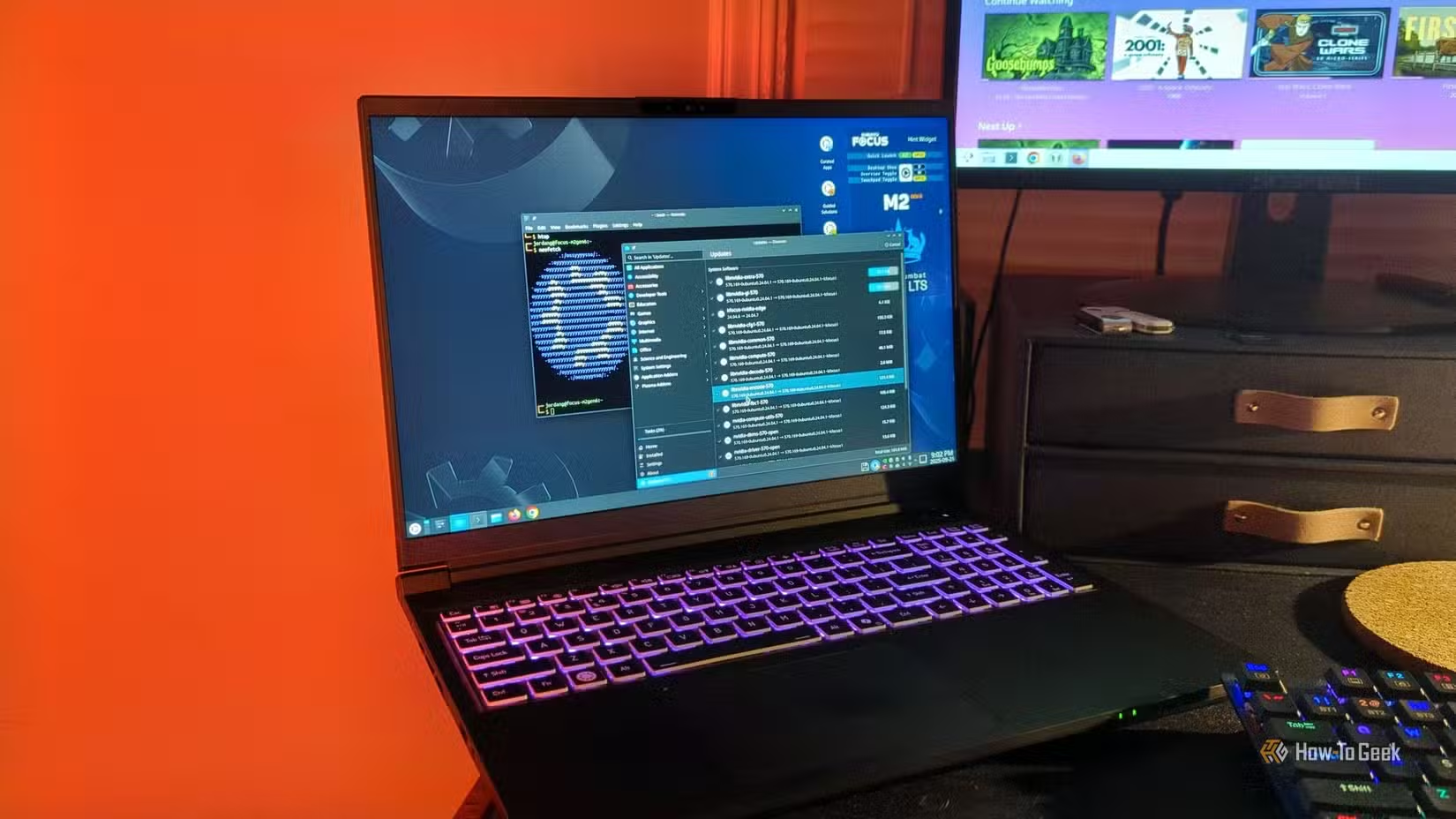
Linux is certainly on the rise when it comes to desktop market share, but it’s still a tiny niche compared to Windows and even macOS. This is why you need to carefully select the hardware you use for a Linux PC, because not all hardware makers can justify putting time into developing proper Linux drivers.
Of course, the community also contributes greatly when it comes to drivers, but even with the Linux volunteer army plugging away, those resources are better spent on more popular hardware.
So Linux might end up costing you more in hardware switching or making hardware decisions not on what performs the best or offers the best deal, but what is most compatible with Linux itself.
Problem-solving replaces customer support
Now, to be clear, you can absolutely get professional support for Linux. That’s the whole business model of enterprise Linux outfits like Red Hat. For desktop users, there are services like Ubuntu Pro where you can get help from paid customer support technicians.
However, most desktop Linux users aren’t doing that and have to source all of their technical support from the Linux community. This isn’t a bad thing by itself, but it does mean that you’re doing your own technical support as unpaid labor. If you have a Windows or macOS license, for example, you’re entitled to support from each company’s respective help desk.
Say what you want about these services, but I’ve seen both Windows and macOS users in my life be helped in minutes by customer support to resolve an issue, and by and large this option doesn’t exist for most Linux distros in the same way. Even without access to official customer support, thanks to the popularity of Windows, it’s simply faster and easier to find answers on forums and other community resources.
The system gives back exactly what you put in
So, when does Linux start paying for itself? There’s a strong argument that you get a lot of positives right out of the gate, which need to be weighed against the hidden costs I listed above. You’re free of spying, telemetry, unwanted updates, advertising, and numerous other annoyances that are part and parcel of the Windows experience these days.
Remember, the “free” in Free and Open Source is for “freedom” not “free lunch.” Switching to Linux is not at all about saving that $100 to avoid paying for a Windows license. In fact, these days you can use Windows legally without paying for it, because Microsoft puts barely any restrictions on an unactivated copy of its OS. So, for example, there’s no financial reason to choose Linux over Windows for something like a Plex server.
The value of Linux is in that freedom, but you do need to know what that will actually cost you.