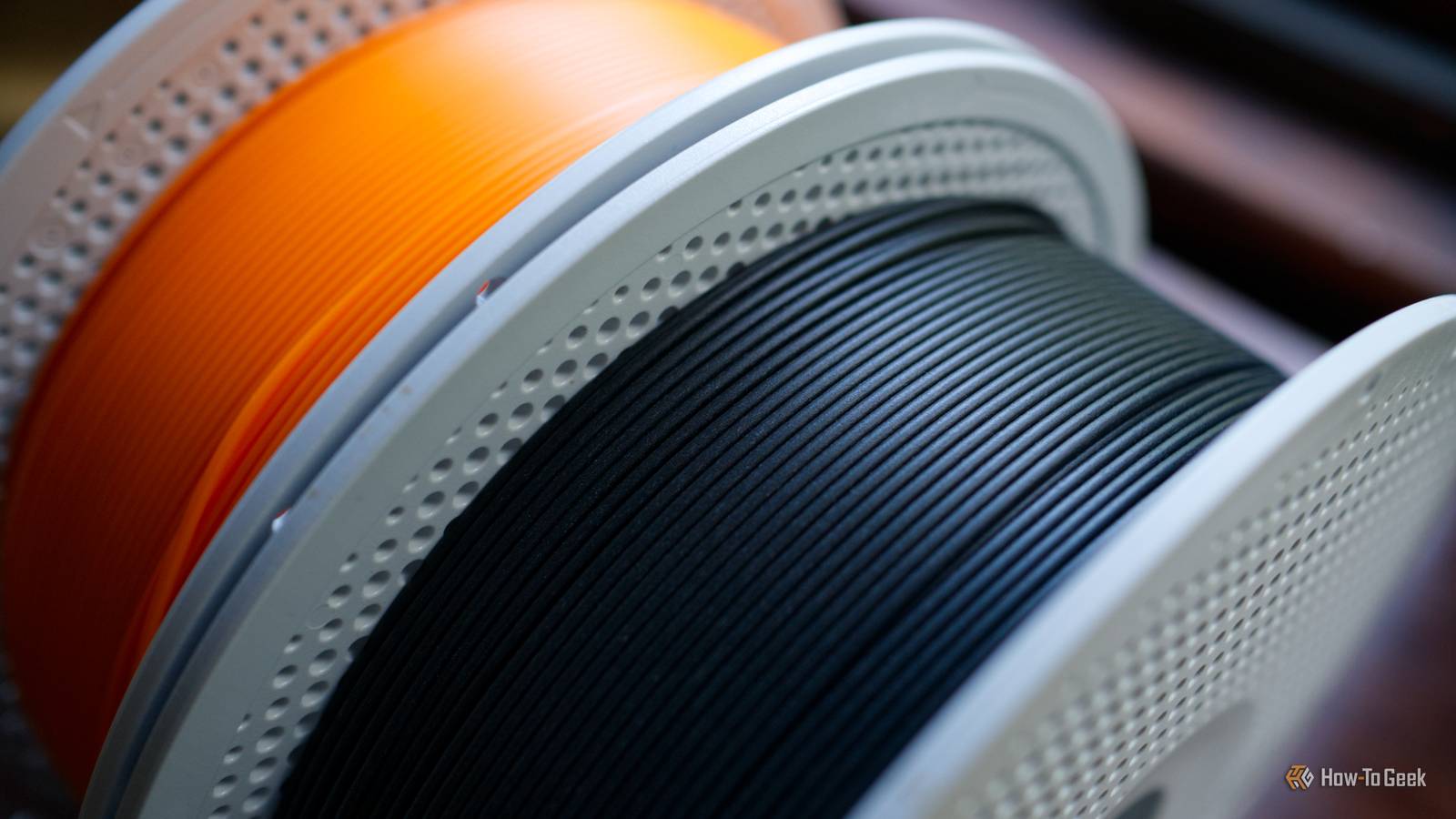
If you rarely feel the need to venture beyond PLA or PETG for your 3D printing needs, you’re not alone. These materials are cheap and easy to print, plus they avoid the downsides that come with many other 3D printing filaments.
Here are some filaments I’m not going to be using in a hurry, and why I’m avoiding them.
Anything that glows in the dark
It sounds great until you learn what’s in it
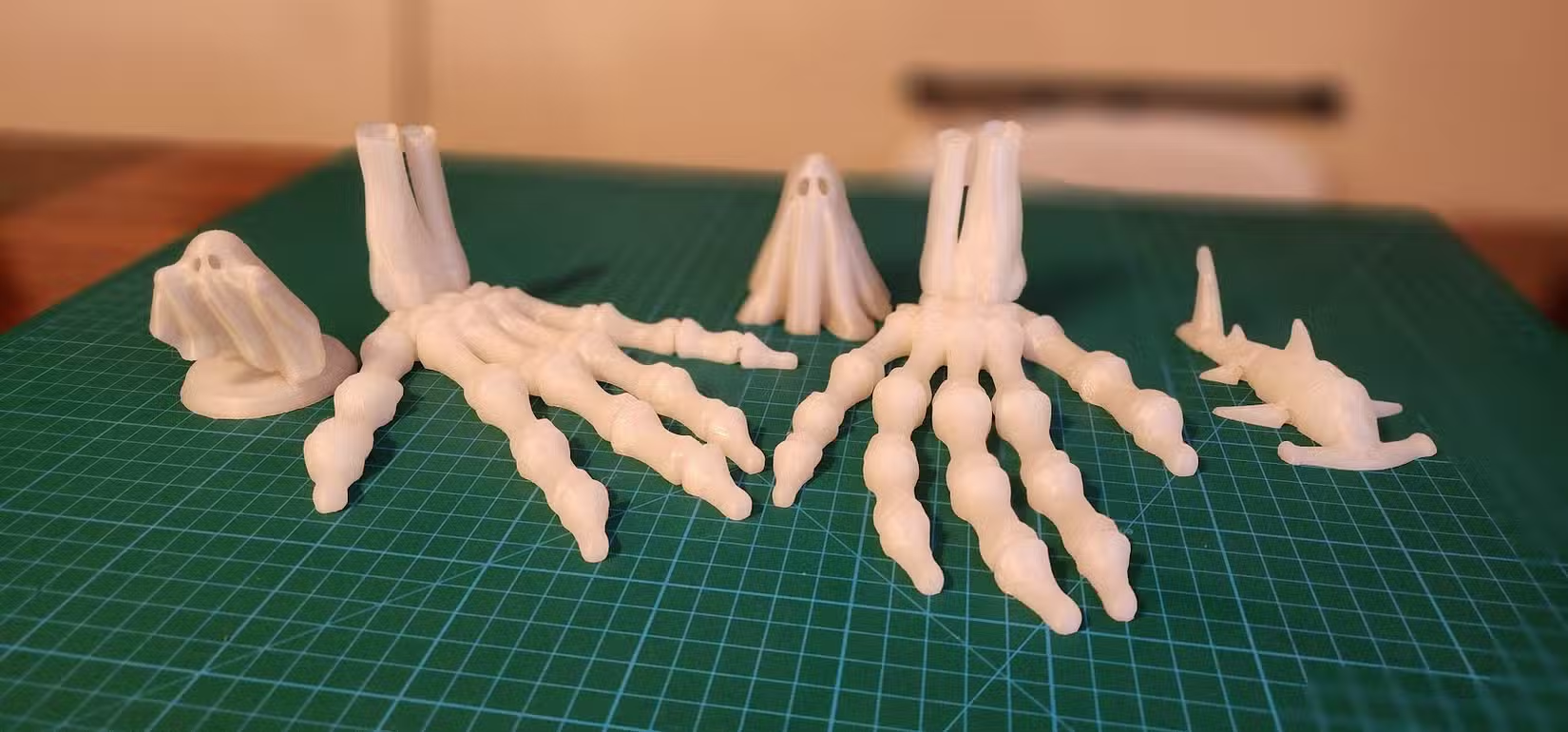
Glow-in-the-dark filament includes phosphorescent materials that can be “charged” using light to then glow in the dark. Typically, strontium aluminate is added to these (usually PLA) filaments, with the glow effect diminishing in around 30 minutes but sometimes longer.
Because of this addition, so-called glowing filament is very abrasive. You absolutely need a hardened steel nozzle in order to print with it, and even then it will cause considerably more wear on the nozzle than regular PLA that lacks the glowing properties. As you’d expect, it costs more than regular PLA too.
As fun as it is, you might also find that the appeal wears off quickly. The only exception to this is anywhere you have a UV light, since the glowing material will catch the light and light up. With the wear, gimmicky nature, and added maintenance on your printer, it’s one filament type that many 3D printer owners continue to avoid.
PLA-CF
The worst of both worlds?
PLA-CF combines reguar old PLA with carbon fiber. Like strontium aluminate, carbon fiber is a very abrasive material and requires a hardened steel nozzle or better to print. One thing I will concede is that PLA-CF might be one of the best-looking filament types on the market, with a remarkable ability to hide layer lines.
Unfortunately, carbon fiber filaments should be treated with extreme caution. There is evidence to suggest that fibers can become airborne during printing, and breathing them in can be very harmful. At the same time, carbon fibers can become lodged in your skin, mucous membranes, eyes, and other places, which can also cause irritation.
It’s not that all carbon fiber filaments are bad, but it’s worth questioning why you could use PLA infused with this hardy material. PLA isn’t known for its durability; it can creep over time under force, and it will degrade when exposed to the elements. You’re paying more for PLA-CF to combine the health hazards of carbon fiber with the more undesirable properties of PLA.
ABS and ASA
That doesn’t mean you should avoid them, though
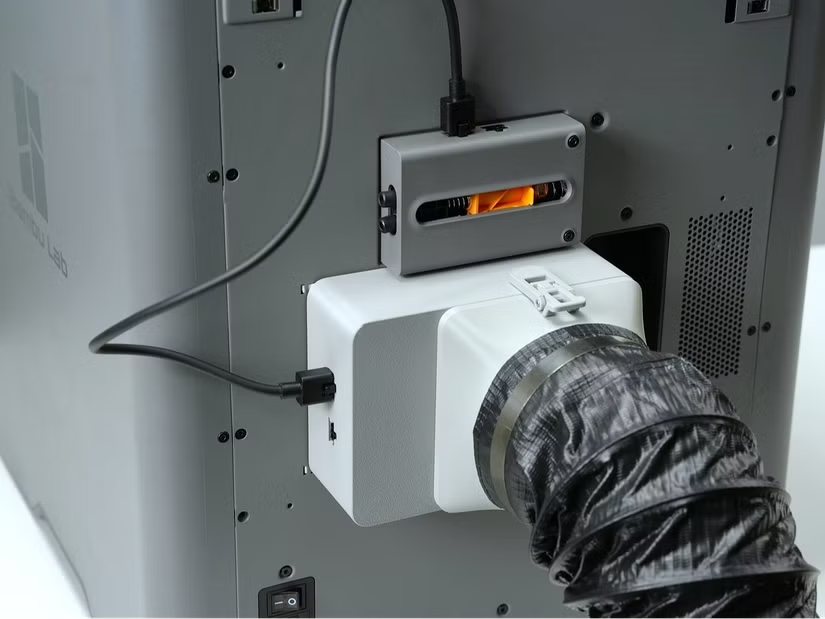
I’m going to caveat this by saying that ABS and ASA are among some of the best 3D printing filaments out there. To break down the core difference between them, ABS contains butadiene, which adds high impact resistance for parts that must be tough, but it is susceptible to UV damage. ASA provides good strength while using acrylate in place of butadiene, which is better at withstanding UV exposure.
Personally, I don’t need the durability of ABS or ASA, and I haven’t bought a roll “just in case.” The main reason for my hesitance is the toxic fumes produced by these filaments, notably styrene, which can cause short-term irritation and long-term damage. Since my 3D printer is in the spare room and I lack a fume hood or proper venting, I’m giving this one a wide berth.
Flexible TPU
Appealing as it is, I’m not convinced it’s worth the hassle
Thermoplastic polyurethane, or TPU for short, is a flexible 3D printing filament for producing items with a bit of give. Of all the filaments on this list, it’s the one I’m most interested in. I’m curious about printing squishy items like bike saddles and footwear. So far, I haven’t given in to my curiosity for a few reasons.
TPU’s squishy nature is defined using the “Shore Hardness” scale, which is represented by a number and letter. 95A TPU is harder than 70A TPU, which means that the smaller number will be springier. My Bambu Lab P2S can allegedly handle a maximum softness of 85A.
The only problem is that printing TPU can be a real challenge, even if you stay within the limits of your printer manufacturer’s guidance. The “wet noodle” effect is real, which means that TPU has to be printed slowly to avoid blockages. The purchase of a TPU Feed Assist Module ($50) can help, but that’s more money on a part I’ll rarely use.
On top of this, if you want to print using Bambu Lab’s AMS multi-filament system, you’re limited to “TPU for AMS” filament, which has a Shore Hardness rating of 68D. This lacks the squishy satisfaction many associate with truly flexible filaments. TPU is also one of the most hygroscopic filaments you can buy, which means you need to dry it and stay on top of the moisture level if you’re to have any luck printing.
Mystery filament of dubious origin
I’m not rolling the dice
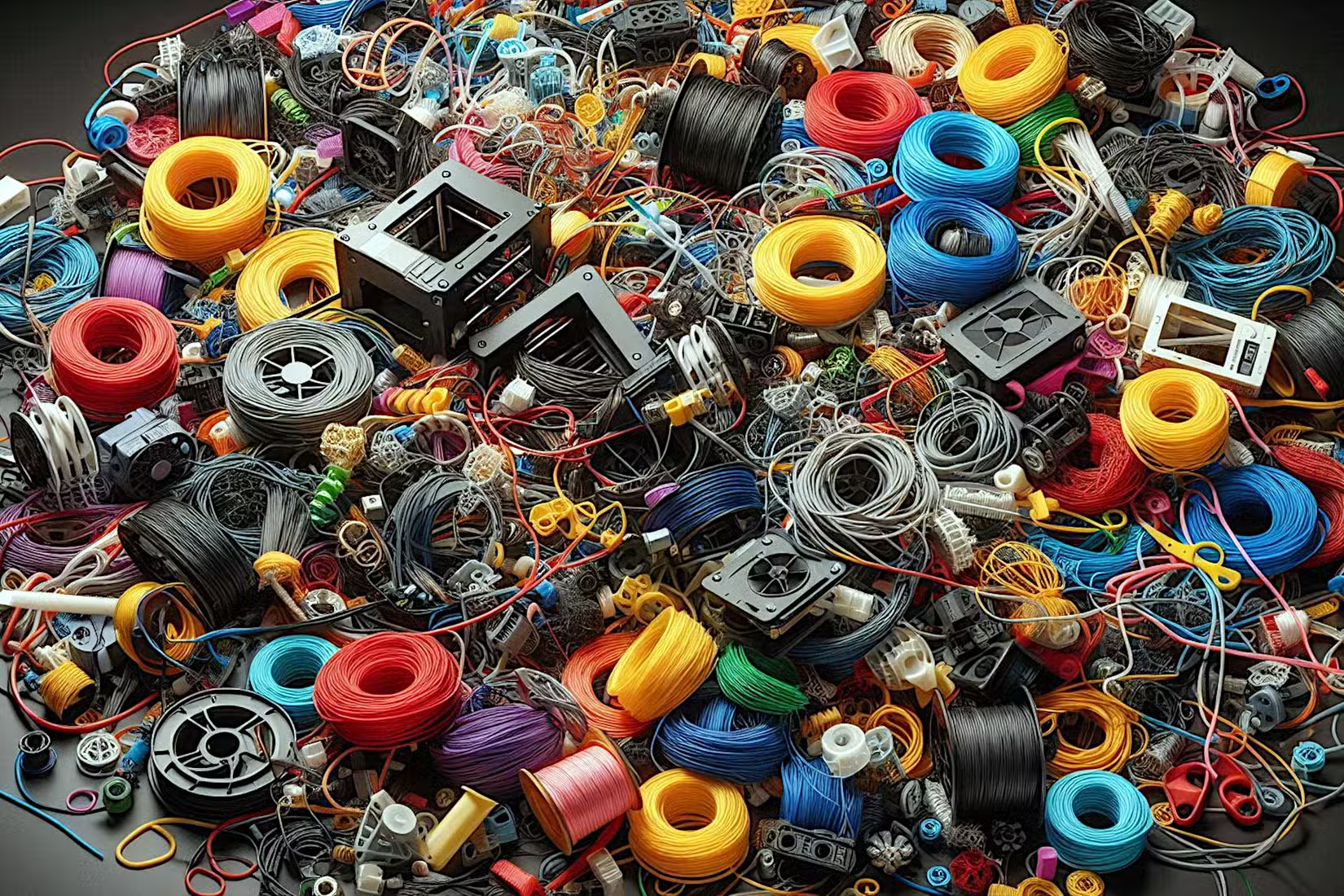
There are some incredible deals out there if you know where to look. Most of them involve bulk purchases, which is a tried and tested method of saving money on 3D printing filament. But, as is often the case on the internet, the very best deals are often from companies you’ve never heard of before.
For the amount of printing that I do, I’ve committed to spending a bit more on name-brand filament to guarantee good results. This usually means dealing with Bambu Lab’s unreliable stock levels, but so far the results have been worth it. I have nothing against so-called cheaper brands like eSun and SUNLU, but I have developed a soft spot for Bambu Lab’s RFID chips that self-report the filament to my slicer.
Outside of sub-par quality filament with defects like inconsistent thickness, I’m a little dubious of being scammed since even Amazon sellers can’t be trusted. Personally, I won’t be rushing to AliExpress for a bulk PLA shipment that looks too good to be true any time soon.
Did you know that some filament that looks like metal while other filament actually contains it?