
Aamir Siddiqui / Android Authority
Add Android Authority on Google:
TL;DR
- Google’s Android boss says growing interest in foldables could give developers more reason to optimize their apps for larger screens.
- Some Android apps still haven’t properly adapted to foldables, but Google says developers are either working on improvements or talking with the company.
- Apple’s iPhone Duo could expand the foldable audience enough to encourage better app experiences across both iOS and Android.
Android foldables have spent years getting the hardware right, but the app problem has been much harder to shake. Apple’s arrival with the iPhone Duo could finally give developers another reason to take foldable layouts seriously, and Google’s Android boss thinks Android users could benefit too.
Speaking to Tom’s Guide, Android Ecosystem President Sameer Samat said developers see more value in investing in foldables as the form factor becomes more popular. More importantly, he acknowledged that some apps still haven’t made that transition, adding that their developers are either working on it or already in conversations with Google. According to Samat:
As this form factor becomes more and more popular, developers realize that there’s more and more value in investing in it. One of the things that we’ve done is to make the tools simpler and easier for them to invest in. And of course there are apps that haven’t made that transition yet. Either they’re working on it, or we’re in conversations with them.”
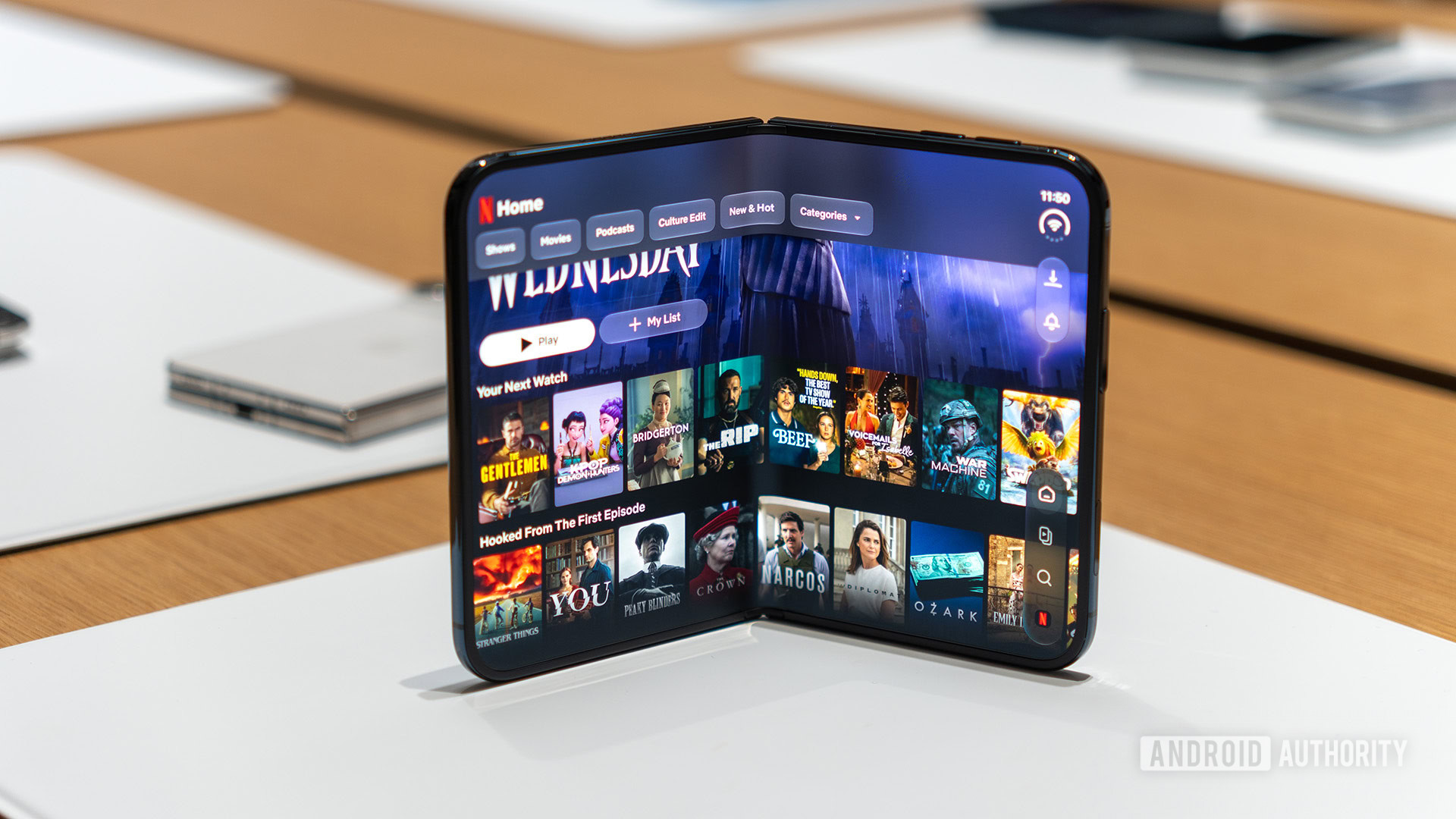
App optimization remains one of the biggest weak spots of Android foldables. In our early iPhone Duo hands-on, we found that Apple currently limits multitasking to two apps in landscape on the inner display. But another question stood out: how well will third-party apps adapt to this unusual new screen, and could they ultimately do a better job than their Android counterparts?

Hadlee Simons / Android Authority
Android has certainly been trying to fix its side of the equation. While poor app support helped kill off wide Android foldables, with some apps still letterboxing or stretching instead of properly using the available space, Android 16 began overriding some orientation and resizing restrictions on larger screens. Android 17 doubled down by making adaptive behavior mandatory for apps targeting the latest release. Google Play has also started highlighting apps optimized for larger displays.
Apple’s iPhone Duo could add the ingredient Android hasn’t been able to force: more developer incentive. A bigger foldable audience means more reason to spend time building layouts that properly adapt to changing screen sizes. Samat’s comments suggest Android could benefit from that investment, too.
The Android chief still couldn’t resist a little jab at Apple, boasting that Android is “usually where you see the future first.” He also praised the Galaxy Z Fold 8, which he says he uses for productivity before moving work to his laptop.
Apple may be late to foldables, but its arrival could help Android solve a problem it has struggled with for years: convincing more app developers that foldable-specific experiences are worth the effort.
Thank you for being part of our community. Read our Comment Policy before posting.