
Wi-Fi problems are a tricky thing, because they can be traced back to almost anything, and no amount of router tricks will help sometimes. Sometimes, Wi-Fi is just wonky, period.
As I tried to (mostly fruitlessly) investigate where my Wi-Fi problems were coming from, I recently found the strangest culprit. Chances are that it’s messing up your connection, too.
USB 3.0 can really be a nuisance to your Wi-Fi
2.4GHz in particular
Out of all the things that could be messing up your Wi-Fi, could you ever suspect that USB 3.0 is the culprit? I know, it doesn’t make a whole lot of sense. I get something like dead zones, sure, but USB? How’s that related to a router that doesn’t even connect via USB by itself?
Alas, it absolutely can. The problem lies in radio frequency noise.
USB 3.0 moves data at high speeds, and it doesn’t need to be to or from your router to cause trouble, as the electrical activity itself can generate broadband interference around the 2.4GHz range. Unfortunately, that’s exactly where the 2.4GHz band operates, and it also happens to be the most congested band on most networks.
A badly placed USB device, cable, hub, or port can effectively raise the noise floor around your wireless gear and make a perfectly decent signal harder to hear. That’s also why the 2.4GHz band is usually more affected than the 5GHz or the 6GHz; it’s not that the USB device is somehow biting into your overall Wi-Fi bandwidth, but rather that it’s producing so much unwanted RF noise in the wrong part of the spectrum that nearby Wi-Fi receivers start having a bad time. This is especially true if the signal wasn’t much to write home about to start with.
Long story short, a tiny USB 3.0 device could be messing up your entire home network, and no amount of rebooting the router will fix this particular issue.
It can make perfectly good Wi-Fi look borderline broken
Slow speeds aren’t the only giveaway
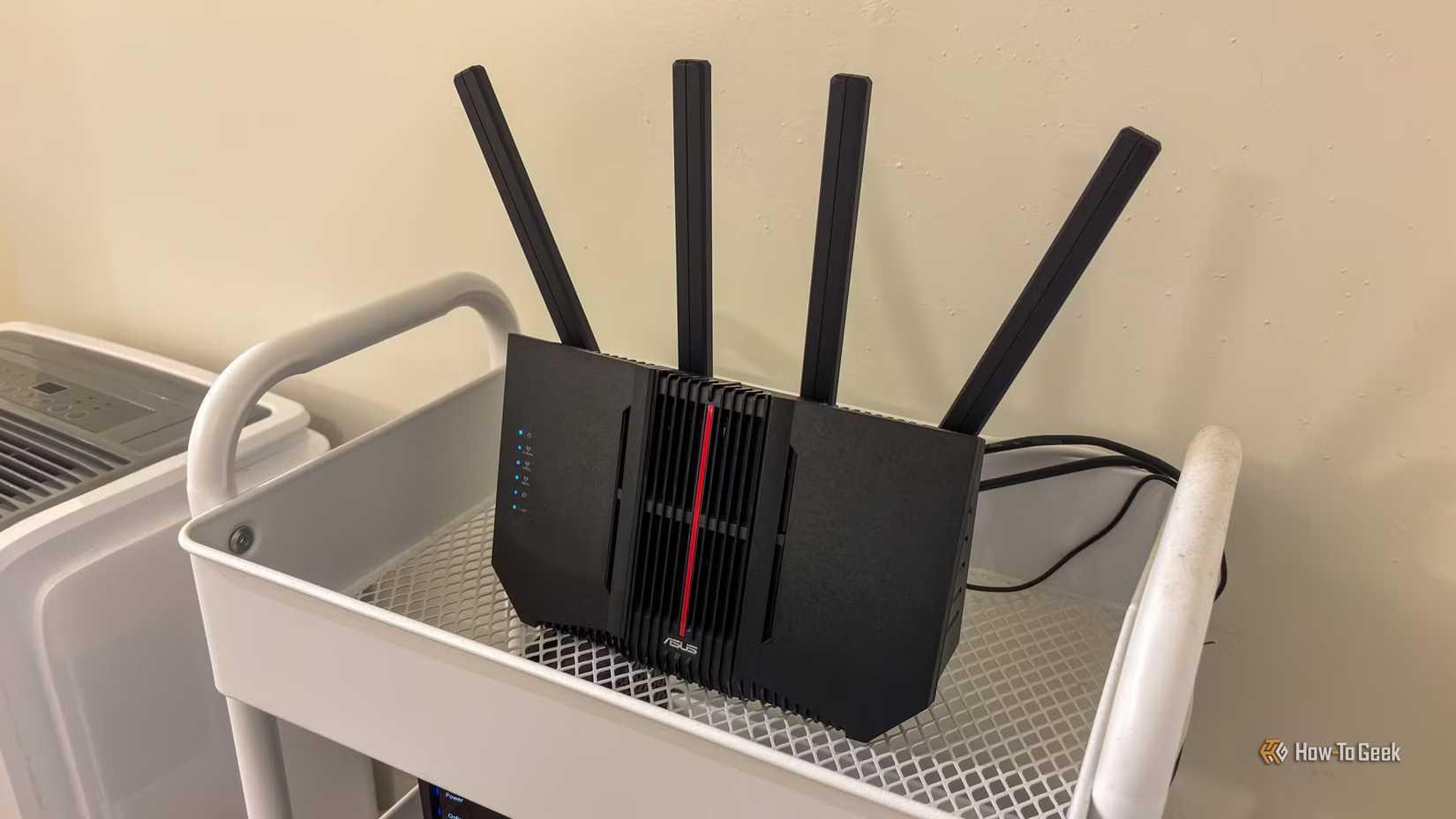
Annoyingly, figuring this out will probably take you on a merry journey through various router settings, Ethernet cable testing, and whatever else you’ll find in a typical network troubleshooting toolkit. That’s because the symptoms don’t immediately scream “it’s the USB gear.”
You’ll see this problem behave as bad Wi-Fi tends to do. Slower speeds, spiking latency, inconsistent performance, disconnects. It also shows up as the 2.4GHz band being utterly disappointing and unreliable. What this doesn’t do is mess with your actual router, so the device itself will seem to be fine; everything else won’t.
One clue to look out for is when the problem seems unusually localized. Maybe the laptop that sits next to a USB hub is struggling, but your phone (far away from the USB troublemakers) is thriving. Or maybe the connection gets worse when you use your external SSD.
Those signs don’t immediately mean that it has to be USB 3.0, but if you know that you have such devices connected close to the router or the end device, it’s worth investigating.
The easiest way to prove it is to make the problem disappear
Change one thing and see whether it fixes it
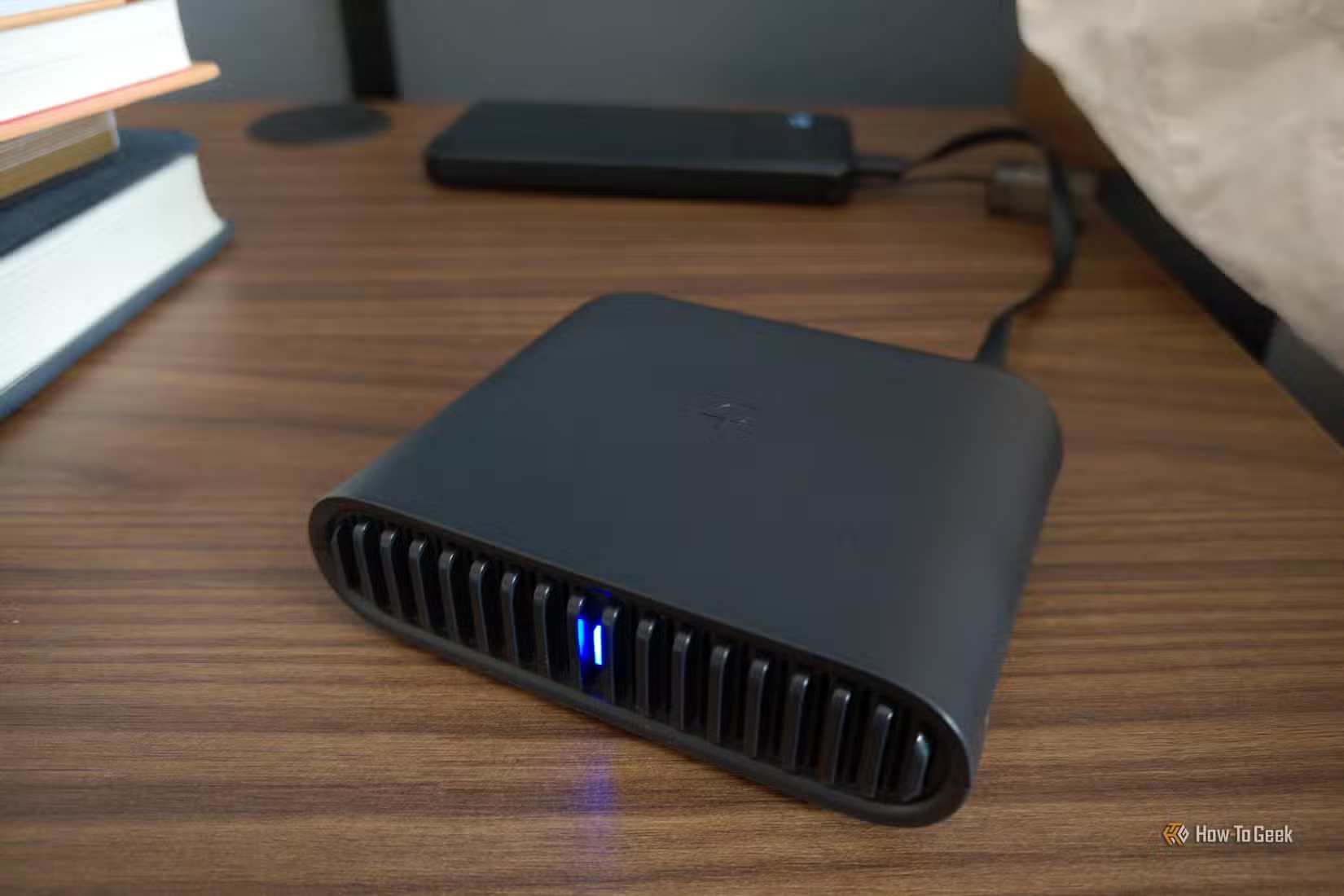
I’m sure this will elicit a “well, duh” type of response, but the easiest way to fix this is to simply unplug those USB 3.0 devices and see if that helps. Yes, it is that simple.
Leave everything else exactly as it was with zero other changes, then rerun the same Wi-Fi test from the same exact spots. Don’t make any other changes, such as changing channels or rebooting the router, as we’re trying to isolate the problem. If the only thing that changes is the removal of USB 3.0 devices, then congrats, you’ve isolated the problem.
To make sure it’s not a one-off, repeat the test a few times. Then, plug the device back in and go over all the tests again. If the performance drops, you’ve found your culprit.
You probably don’t need to give up USB 3.0
A little distance can make a surprisingly big difference
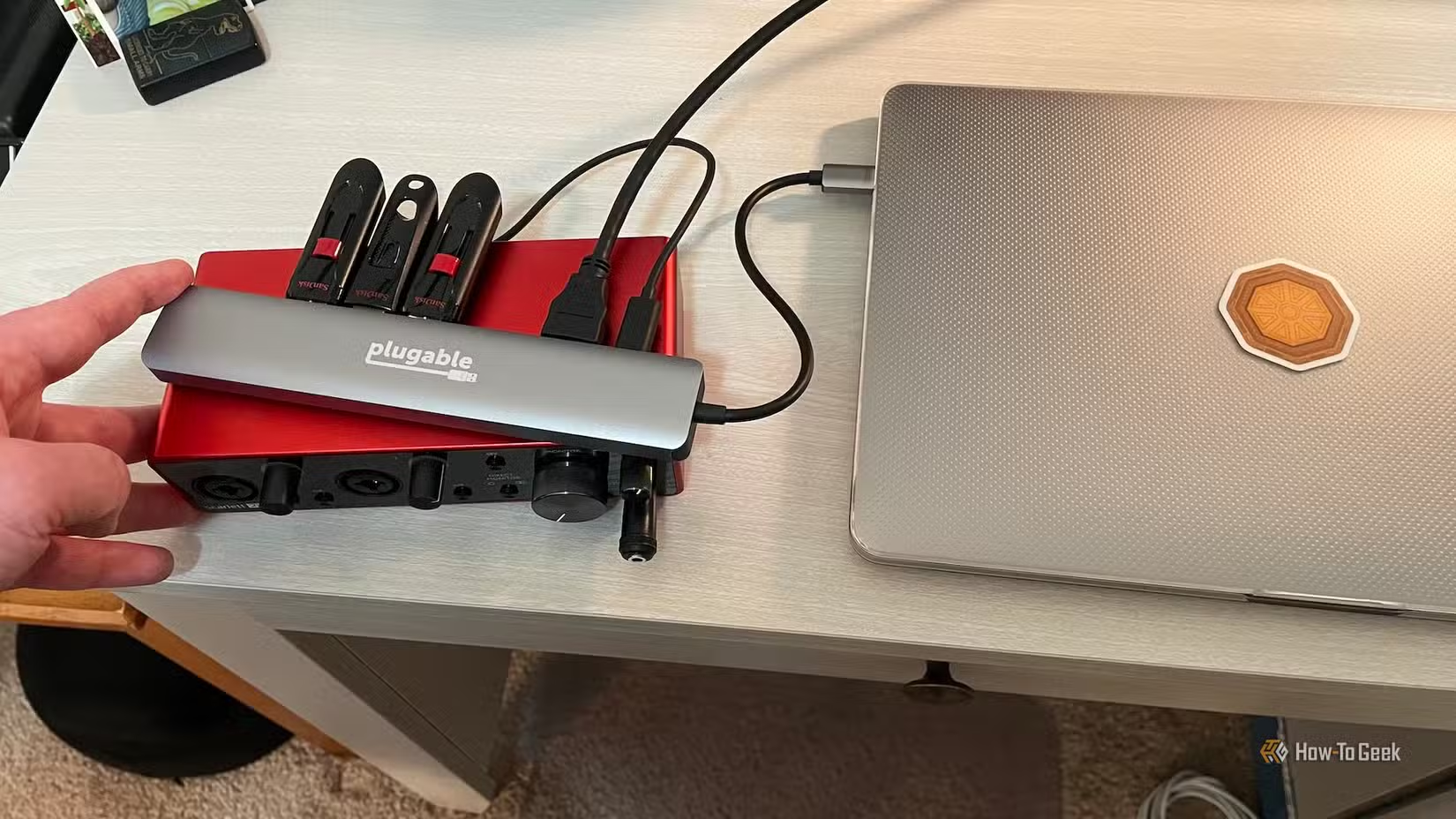
While getting rid of those USB 3.0 devices is a logical fix, it’s hard to just choose to live without any of your USB gadgets. Let’s talk about workarounds.
The easiest fix is usually not to remove them entirely, but to put some distance between them and the router (or whatever is using Wi-Fi and struggling). Move the hub, drive, or cable farther away and re-run all the tests. Chances are it’ll help.
…It didn’t help? Inspect the cable itself. A better-shielded USB 3.0 cable or an extension cable can help you keep noisy hardware farther away, preserving your connection. The only downside is that introducing an extension cable may affect charging or data transfer speeds, so it’s a trade-off you need to think about.
The weirdest Wi-Fi problems aren’t always Wi-Fi problems
When I finally figured this out, I was pretty baffled. This kind of problem is often the last thing you’ll think of when investigating Wi-Fi issues, but it’s also one of the easiest things to check. If you’re feeling stumped, unplug a few USB 3.0 devices and try your luck.