
Cordless tools are just too convenient to ignore, and they’re getting better all the time. The only problem is that this convenience comes at a cost in terms of batteries that have a shelf life, despite their rechargeable nature.
That’s why you should be doing all you can to extend their lifespan.
Store batteries at a stable temperature
Not too hot, not too cold
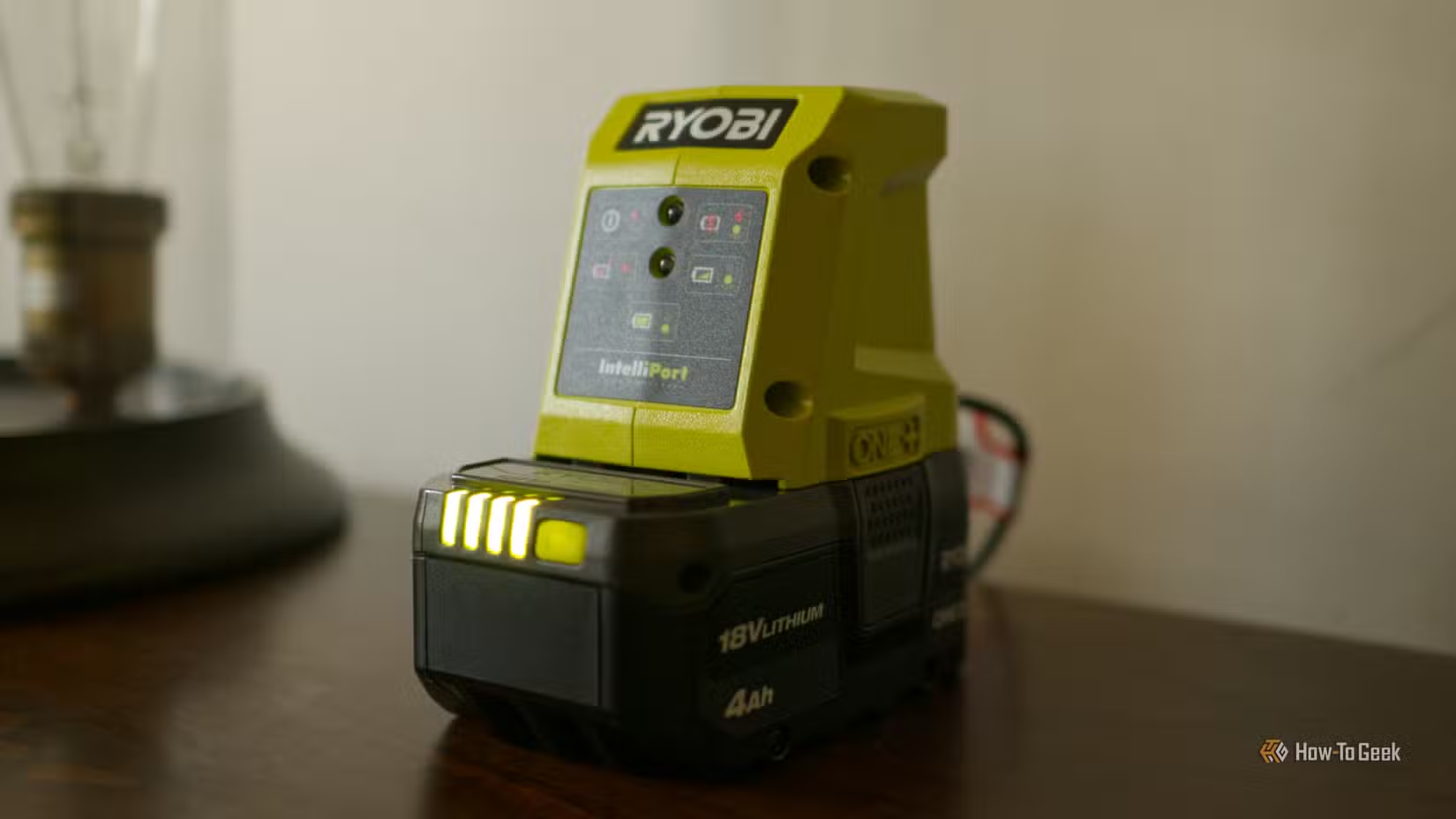
How you store your batteries can greatly impact how long they last. Lithium-ion rechargeables don’t tolerate extremes of hot and cold particularly well, which means that storing your batteries in an uninsulated shed or workshop might be damaging them. This is especially true in the summer and winter, when the temperature spikes and dips to uncomfortable levels.
The solution is to bring your batteries inside your home or another space where the temperature is more stable. Thankfully, you don’t need to bring your tools (they can stay in the garage)—just focus on setting up a charging and storage station inside. You can hide this in a closet, utility room, or basement.
Ryobi recommends temperatures between 5ºC and 20ºC (41ºF and 68ºF). Cold is especially bad for lithium-ion cells, which is one area where sodium-ion batteries show real promise as a bulkier energy storage solution.
Keep charge levels between 20% and 80% where possible
The sweet spot for lithium-ion cells
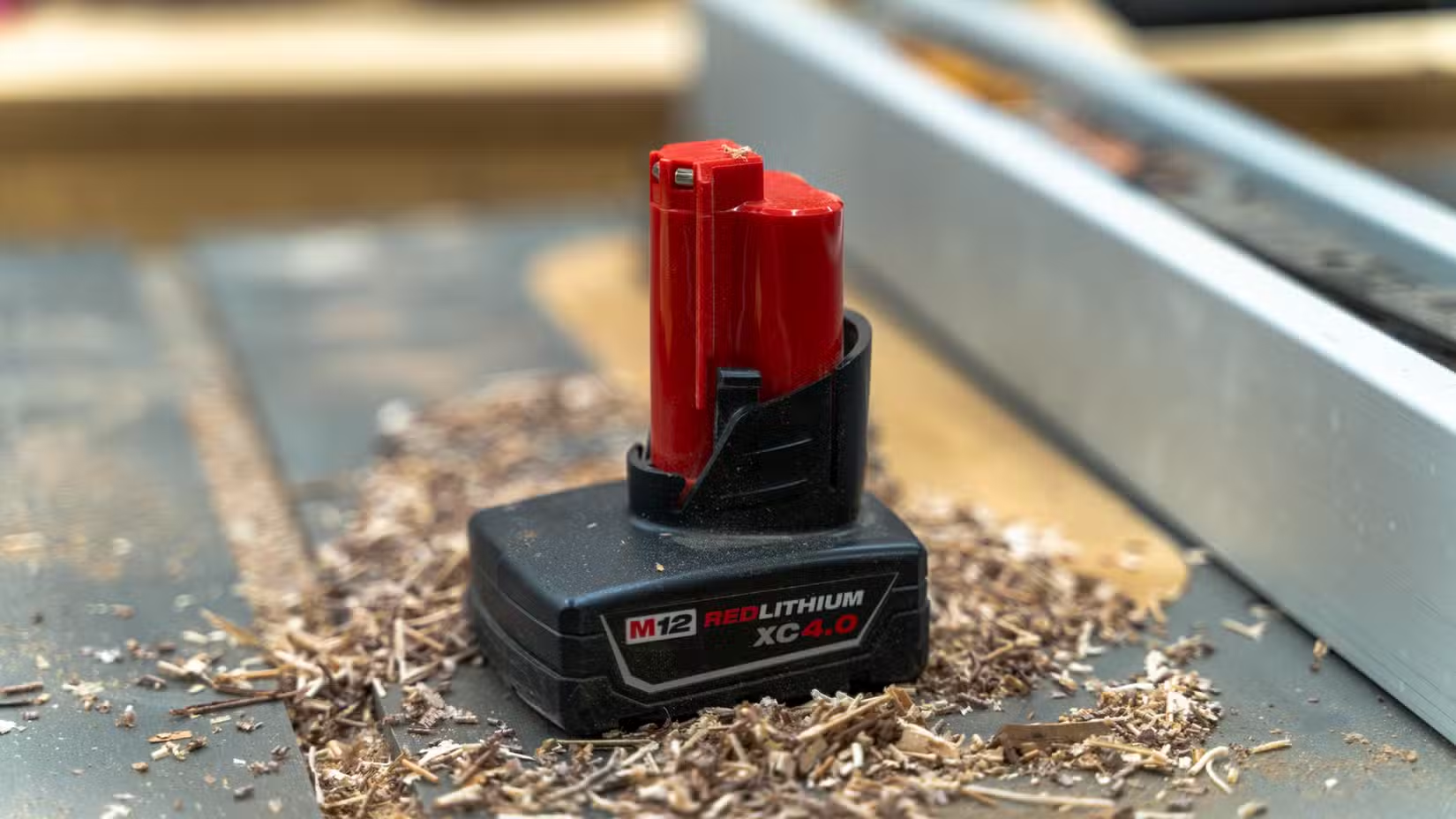
Much like temperature, the charge level at which you store your tools’ batteries mirrors the same advice aimed at smartphones, laptops, and even home battery systems. Avoid storing your lithium-ion cells at charge levels below 20% or in excess of 80% where possible.
This is the same reason that most modern lithium-ion-powered gadgets have an “optimized charging” setting. These modes predict usage patterns and only charge to full when you’re expected to use the gadget. This avoids keeping the battery fuller than it needs to be, extending the life of the cell.
To reference Ryobi again, the company recommends that you “do not store batteries fully discharged for long periods” and instead only do so when they’re in a “partially charged (minimum 30-50%)” state.
Avoid depleting smaller batteries too quickly
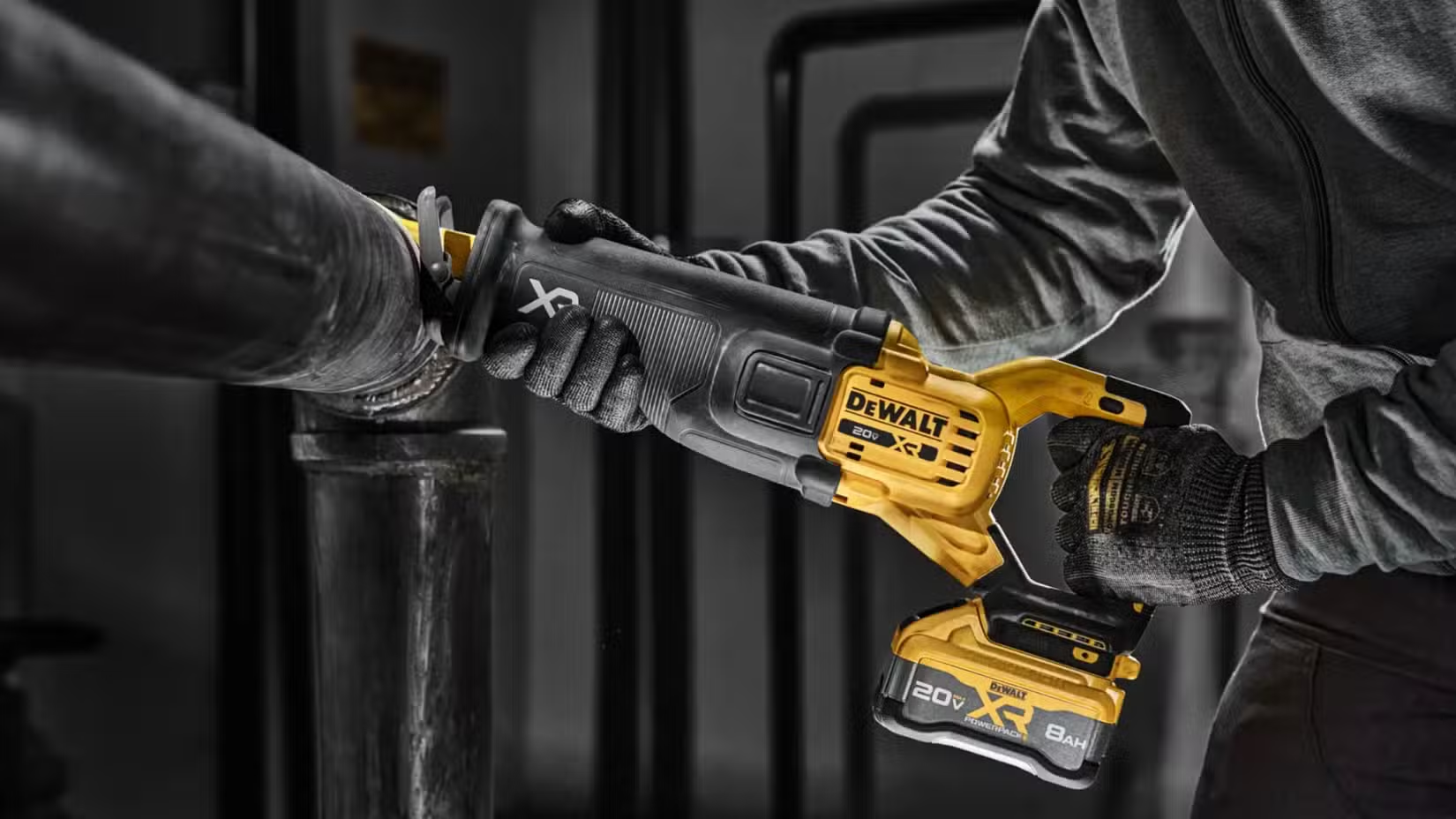
Most power tool batteries have two numbers on them: the voltage (measured in volts, or V) and the capacity (measured in milliamp hours, or mAh). The voltage determines how much power can be drawn at any one time, with more demanding tools requiring higher voltage to drive more powerful motors. The capacity determines how long the battery will last, and directly correlates with the size of the battery.
But just because two tools require the same battery spec (like an 18V pack, for example), it doesn’t mean that the power draw is directly comparable. Some tools, like a hedge trimmer, will burn through battery faster than something like an impact driver. Those higher capacity batteries will serve you better in the more demanding tools.
Not only will you get more usage out of them before having to charge, but you will also put fewer cycles on the battery. This should help avoid putting additional wear on a smaller battery. It’s also nice to pair your smallest batteries with your lightest tools, to keep sanders and drills nice and light during use.
Label and rotate batteries
Spread the load
Battery “health” is often measured in cycles. A cycle is one full depletion of the total capacity of that battery, whether that’s discharging from 100% to 0% (which we’ve established you shouldn’t do) or discharging from 80% to 30% twice.
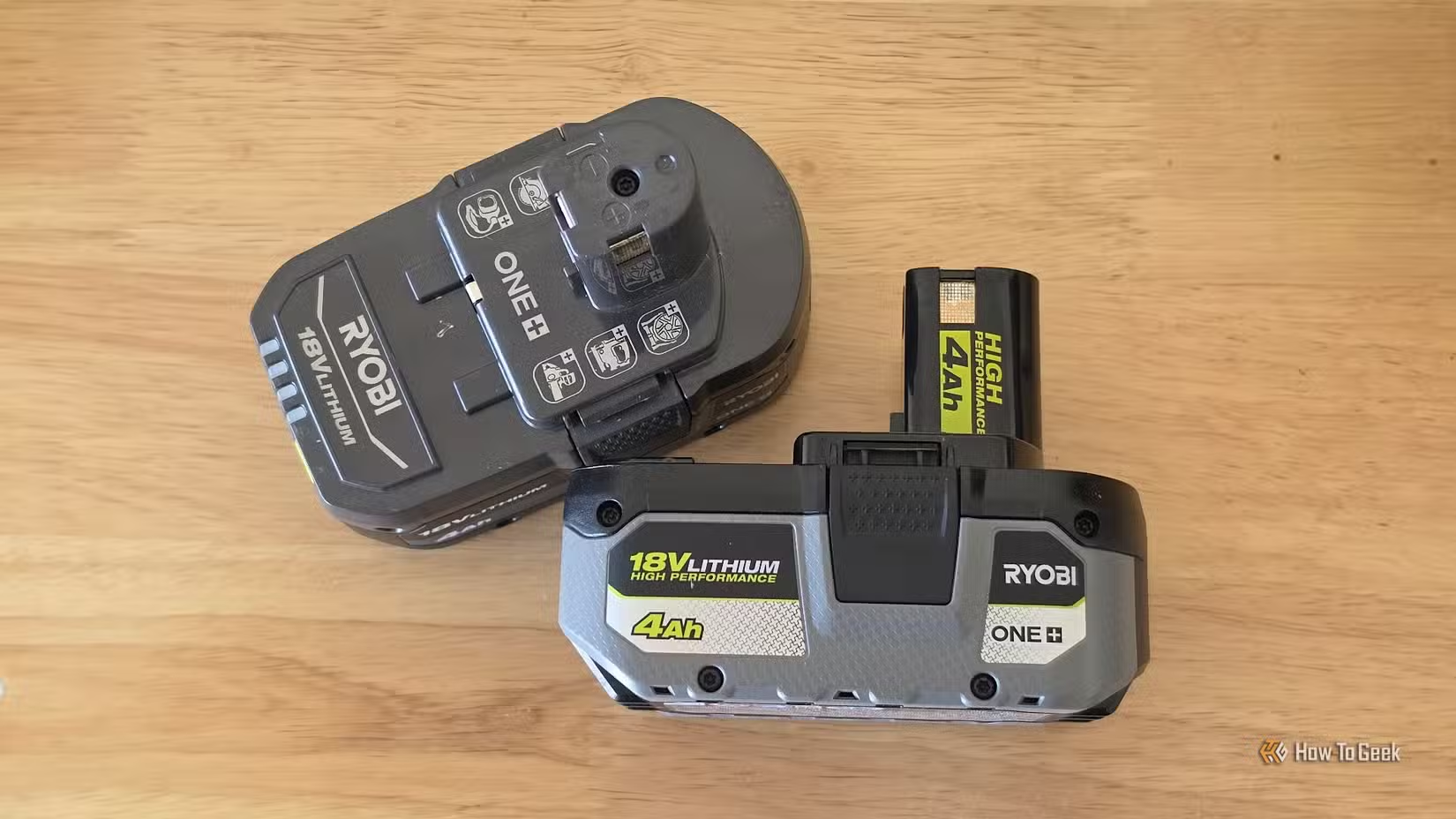
Rotating batteries out is less about “saving” a specific battery and more about wearing things out equally between the cells that you own. If you end up thrashing a single battery, it’s going to age significantly faster than another. Swapping between two or more is a way to “share” the load, so that they both wear at an even pace.
This will avoid you getting stung when you pick up the “bad” battery. Considering power tool batteries are almost always on sale, buy them in batches and label them when new. Like any lithium-ion battery, your old cells can be fully recycled and made into new ones (though don’t expect to get any money for them).
Avoid leaving batteries on the charger indefinitely
This applies mostly to older models
Many new power tool chargers feature an automatic shut-off system that puts them to sleep when the battery has reached sufficient charge level. This shouldn’t prematurely age the batteries, but always refer to the manufacturer’s advice to make sure that your charger and battery system follows this basic principle.
For older chargers and systems, leaving your batteries on charge indefinitely could result in constant trickle discharging and recharging, with heat generated as a result. Taking batteries off the charger when they’re charged is a good habit to form, whatever you’re using.
If you’re constantly forgetting, you could use an energy-monitoring smart plug to set up an automation using a smart home platform like Home Assistant. With this, you can have the smart plug automatically turn itself off once the power passing through it drops below a certain rate, which would indicate that charging is complete.
Though it might be tempting to save some money, you should avoid buying off-brand power tool batteries.